Last Updated on February 22, 2026 by Bisma Sehar
Cancer is a complex disease that significantly impacts the lives of millions of individuals and their families worldwide. In Costa Rica, according to the latest data from the Costa Rican Social Security Fund (CCSS), approximately three new cancer cases are diagnosed every two hours. Breast cancer remains the most prevalent among women, while prostate cancer is the leading type affecting men. Early detection and timely treatment are critical factors in improving patient outcomes and enhancing quality of life.
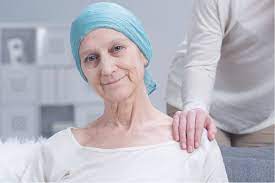
At Snah, we prioritize both the patient and the caregiver. We encourage cancer patients to build a strong support network consisting of family, friends, and healthcare professionals to help them navigate this challenging journey. Likewise, caregivers benefit greatly from physical and emotional support, enabling them to provide the best care possible throughout the treatment process. overwhelming Social Security Urgent Care
If you are a caregiver, we offer several tips to alleviate the burden that cancer places on the patient, such as:
- Encourage pleasures and activities to help the patient stay distracted and engaged.
- Identify tasks the patient can safely perform to maintain their autonomy and independence.
- Validate and acknowledge their emotions and thoughts, understanding that some days will be better than others.
- Communicate openly about the disease and its progression to empower the patient in decision-making.
- Recognize that caregivers are an essential part of the cancer care team and should seek support when needed.
Being a caregiver is a demanding role that requires attention to detail, vigilance regarding symptoms, medication management, and keeping track of medical appointments. This substantial responsibility can lead to what is known as caregiver syndrome, characterized by symptoms such as stress, anxiety, depression, fatigue, irritability, insomnia, mood swings, emotional tension, and social isolation.
It is crucial for caregivers to maintain healthy healthy habits and strive for a balance between personal life and caregiving duties to preserve their own well-being.
Here are some practical tips to help caregivers manage stress and maintain balance:
- Use a planner or digital calendar to organize daily tasks, including both patient needs and personal time.
- Engage in enjoyable activities like dining out, exercising, walking, or watching favorite shows to recharge.
- Stay informed with news and uplifting content to take mental breaks.
- Prioritize self-care without guilt, allowing time for rest and relaxation.
- Maintain as much of a normal routine as possible to provide stability.
- Don’t hesitate to ask for help from friends, family, or join caregiver support groups for emotional relief and practical advice.
At Snah, we recognize the significance of supporting both those affected by cancer and their caregivers. Ensuring a high quality of life for everyone involved is our ongoing commitment.
Can you be around someone with cancer?
Many people ask whether it is safe to be around someone with cancer. The answer is yes—cancer itself is not contagious. Being close to an individual undergoing cancer treatment does not increase your risk of developing the illness. In fact, emotional support from loved ones plays a vital role in the patient’s recovery and overall well-being.
However, cancer treatments like chemotherapy and radiation can weaken the patient’s immune system, making them more vulnerable to infections. It is essential to practice good hygiene, such as regular handwashing, and avoid visiting if you are feeling unwell or have contagious conditions.
Additionally, sensitivity to the emotional challenges faced by cancer patients is important. Many experience a spectrum of feelings, including fear, anxiety, and sadness. Offering empathy, patience, and a listening ear can provide profound comfort during this difficult time.
Additional Insight: Building a support system around cancer patients not only helps improve their mental health but also contributes to better treatment adherence and overall prognosis. Encouraging open communication, providing practical assistance, and fostering hope through positive interactions are key components that can make a significant difference in the journey against cancer.