Last Updated on June 24, 2026 by Bisma Sehar
Most drivers rarely consider how crucial their tires and wheel components are in ensuring a smooth and safe ride. Among these components, the wheel bearing plays a vital role in connecting the wheel to your vehicle and allowing the wheels to rotate freely with minimal friction. Understanding what a wheel bearing is, common causes of failure, and recognizing the warning signs can help you prevent costly repairs and maintain optimal vehicle performance. This comprehensive guide explores the causes and symptoms of wheel bearing failure, empowering you to protect this essential part of your car.
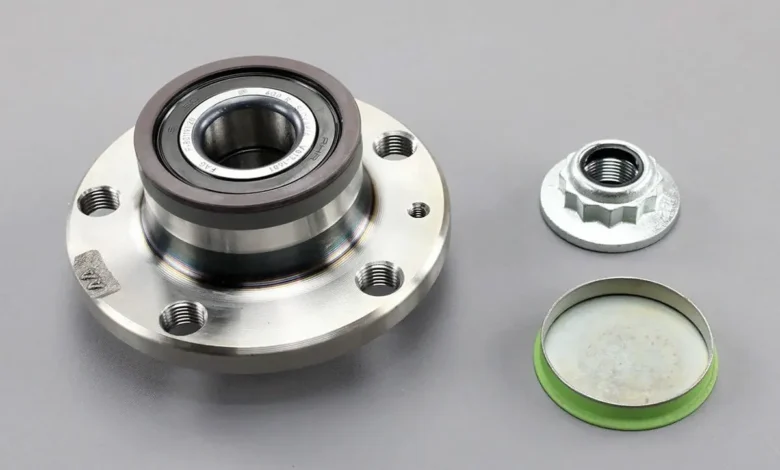
Wheel Bearing
Wheel bearings consist of several steel balls held together by a metal ring known as a race. This assembly sits securely inside the wheel hub. To function properly, wheel bearings require constant lubrication, which is kept in place by a protective seal. This seal also acts as a barrier against dirt, moisture, and debris that could cause rust and corrosion, thereby enhancing the bearing’s lifespan and performance.
The primary role of the wheel bearing is to allow the wheels to rotate smoothly with minimal friction while supporting the vehicle’s weight—sometimes over 4,000 pounds depending on the car model. With proper maintenance and high-quality components, wheel bearings typically last 100,000 miles or more under normal driving conditions.
Importance of Regular Wheel Bearing Maintenance
Regular wheel bearing maintenance is essential for preserving your vehicle’s safety, performance, and fuel efficiency. Since wheel bearings endure constant pressure from the vehicle’s weight and road impact, routine inspections can help detect wear before it becomes severe. Proper lubrication, checking for unusual noises, and ensuring seals remain intact can significantly extend the lifespan of wheel bearings.
Preventative maintenance not only reduces the risk of sudden failure but also protects surrounding components such as hubs, axles, and suspension parts from unnecessary damage, saving drivers from expensive repairs in the long run.
5 Common Causes of Wheel Bearing Failure
1. Driving Through Deep Water
Although wheel bearing seals protect against water and debris, driving through deep water—up to hub level or higher—can compromise these seals. Water entering the bearing contaminates the lubricant, leading to premature failure. Notably, wheel bearings on the passenger side often wear faster due to exposure to standing water along curbs. After driving through flooded zones or large puddles, it’s advisable to have your bearings inspected for potential damage.
2. Poor Road Conditions
Regularly traveling on rough, unpaved, salted, or pothole-ridden roads exerts excessive stress on wheel bearings. These conditions can damage the protective seals, allowing dirt and salt to enter and degrade the lubricant, causing increased friction and wear. Drivers frequently navigating such terrains should have their wheel bearings inspected more often to prevent early failure.
3. Unbalanced Tires
Proper tire balancing is essential not only for ride comfort but also to prevent uneven stress on wheel bearings. Unbalanced tires cause vibrations that force bearings to work harder, speeding up wear and potentially causing premature failure.
4. Heavy Loads
Consistently hauling heavy cargo or towing trailers places additional pressure on wheel bearings, accelerating their wear. Remember to have trailer wheel bearings checked during regular maintenance, and be aware that increased loads require more frequent bearing inspections and potentially earlier replacements.
5. Poor Installation or Low-Quality Bearings
Incorrect installation—such as improper torque settings or neglecting manufacturer guidelines—can lead to wheel bearing damage. Additionally, substandard or mixed-metal bearings can cause premature failure, often showing flaking or spalling as the softer metal underneath is exposed. Always use quality parts and trusted mechanics to avoid these issues.
If you continue to experience issues after a wheel bearing replacement, return to your mechanic for a thorough inspection to ensure proper installation and component quality.
Signs of a Failing Wheel Bearing
Recognizing the warning signs of a damaged wheel bearing early can prevent extensive damage and costly repairs. Some symptoms are subtle, while others are unmistakable. The type of driving you do and installation quality also influence wear patterns. Here are common indicators of wheel bearing issues:
Clicking, Snapping, or Popping Sounds
These noises can also stem from damaged outer CV joints, but excessive bearing endplay due to insufficient clamping may be the cause. Such sounds often occur during sharp turns or cornering.
Grinding Noise When in Motion
A grinding sound usually indicates mechanical damage to the wheel-end assembly, often caused by deterioration of the bearing’s rollers or raceways. This noise intensifies when the vehicle turns or changes load.
Clunking or Knocking Sounds
Excessive movement in CV or U-joints or differential gears can cause knocking noises, especially during directional changes. These sounds are generally unrelated to wheel bearings.
Humming, Growling, or Rumbling Noises
Though often caused by tires, electrical systems, or drivetrain parts, bearing-related noises usually occur when driving straight but get louder when slightly turning the steering wheel. Usually, the defective bearing is on the side opposite the turn direction.
Wheel Vibration
Commonly caused by worn tires, suspension issues, or misalignment, vibration can also signal severe bearing or hub problems. Sometimes, improperly tightened lug nuts are the culprit.
Constant Shudder or Shimmy
Often linked with out-of-round or unbalanced tires and worn suspension parts, this symptom is less frequently caused by wheel bearing damage.
If you want to learn more about Nintendo Switch check out our Tech category for detailed information.
Risks of Driving with Faulty Wheel Bearings
While complete wheel bearing failure usually doesn’t occur instantly after initial symptoms appear, it is crucial to address signs of wear promptly. Wheel bearings play an essential role in securing your wheel to the vehicle and enabling smooth rotation. Any compromise to their integrity can lead to serious issues with steering, suspension, and drivetrain components, potentially resulting in dangerous driving conditions or wheel detachment.
Is it Safe to Drive with a Broken Wheel Bearing?
Driving with a damaged wheel bearing is unsafe and highly discouraged. The wheel bearing supports the vehicle’s weight and ensures smooth, stable wheel rotation. When compromised, it can cause vibrations, reduced handling capability, uneven tire wear, and in severe cases, wheel separation during motion. This poses serious risks not only to the driver and passengers but also to other road users.
Immediate inspection and repair by an experienced mechanic is vital upon noticing bearing issues. Repairing or replacing faulty wheel bearings promptly helps prevent further damage to suspension and drivetrain systems, avoiding costly repairs and ensuring road safety.
FAQs (Frequently Asked Questions)
Regular vehicle maintenance and prompt attention to the early signs of wheel bearing damage extend the life of your car’s suspension system and improve overall safety. If you notice unusual noises, vibrations, or handling issues, consult a certified mechanic immediately to inspect your wheel bearings and related components.