Last Updated on January 5, 2026 by Rida Hamid
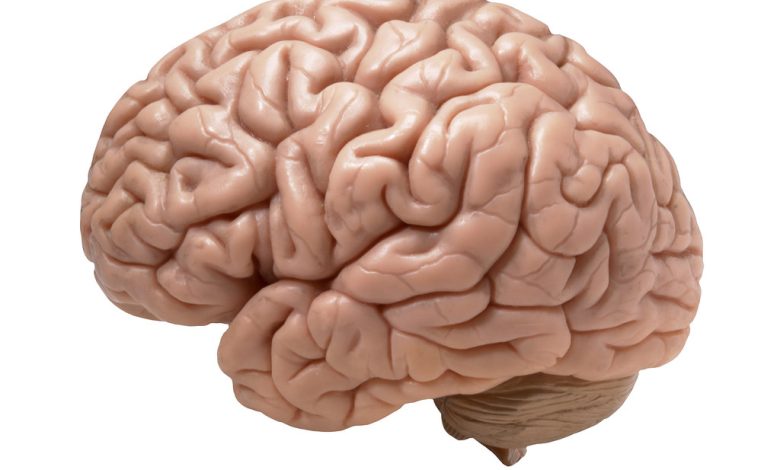
The human brain has evolved over millions of years through continuous adaptations to changing environments environmental conditions. Over this time, brains have increased in complexity and size, preserving ancient structures while developing new ones to meet emerging demands. As humans became highly social beings, our brains heightened their sensitivity to social cues and interactions. This evolutionary process has produced an extraordinary organ capable of managing everything from basic physiological functions, like respiration, to complex cultural creations. However, this intricate complexity requires precise development, integration, and balance to function optimally Teachers face a challenge. Insights from social neuroscience offer valuable guidance for educators, though they do not substitute for the essential flexibility needed in classrooms. Teachers and students alike come with diverse evolutionary backgrounds, unique cultural identities, and individual life experiences, meaning that a one-size-fits-all approach to education is ineffective.
Recognizing the need for personalized education, it is essential to embrace teaching methods that cater to varying learning styles and emotional needs. Educators should be equipped with scientific knowledge about brain development and social learning to foster environments where all students can thrive. Below are nine crucial scientific insights that can help educators design more effective and inclusive learning experiences.
1. The Brain Is a Social Organ.
Our brains require continuous social stimulation and connection to survive and flourish. Without meaningful engagement and challenge, brain function can diminish. Today, our immediate environment is largely constituted by social relationships. Close, supportive connections foster positive emotions, enhance learning, and promote neuroplasticity.
Teachers play a vital role in creating positive classroom experiences. The neurobiological principles guiding educators and parents in brain development overlap significantly. Demonstrated positive attitudes towards students enhance their academic performance and wellbeing. Incorporating social-emotional learning programs can reduce student conflicts and foster a nurturing educational climate.
2. Two Brains Are Possible.
The cerebral hemispheres specialize in distinct, yet complementary functions. The left hemisphere excels in language, linear thinking, and prosocial behavior, while the right hemisphere processes visual-spatial tasks and emotional experiences. Effective learning involves engaging both hemispheres synergistically.
Skilled educators intuitively balance emotion and cognition by encouraging rational students to explore feelings more deeply and guiding anxious students to develop cognitive regulation skills. Storytelling is a powerful tool to integrate neural networks through emotional and cognitive engagement, promoting deeper understanding.
3. It Is Essential to Start Learning Early.
The early years are critical for developing neural networks involved in emotional regulation, attachment, and self-esteem—key components for communication, stress management, and self-worth.
Educators should support children in processing challenging behaviors by helping them name and think about difficult experiences, enabling neural integration. Encouraging students to maintain journals or diaries improves emotional regulation, reduces stress, and supports well-being.
4. Conscious Awareness and Unconscious Processes Occur at Different Speeds.
Many neural processes occur outside our conscious awareness, enabling automatic functions like walking and breathing. The brain rapidly processes environmental information, drawing on a lifetime of experience to provide immediate responses.
This unconsciously driven processing influences implicit biases and prejudices, such as fear-based reactions to others. Open discussions and increased interracial exposure can diminish negative stereotypes by reshaping unconscious associations.
5. The Mind, Brain, and Body Are Interconnected.
Physical activity enhances brain function by promoting neuron growth, especially in the hippocampus, and increasing oxygen delivery. Proper nutrition and sufficient sleep are fundamental for cognitive performance. Despite representing about 2% of body weight, the brain consumes roughly 20% of the body’s energy.
Sleep deprivation negatively affects attention, decision-making, and flexibility. Schools can apply these findings by adjusting start times, optimizing lunch and recess, and educating students on sleep hygiene and healthy habits.
Environmental factors also influence learning outcomes. Poor lighting, noise pollution, uncomfortable seating, and inappropriate temperatures can impair cognition. Creating classrooms that meet students’ physical needs fosters academic success.
6. For Deeper Learning, the Brain Needs Repetition and Multichannel Processing.
Curiosity drives survival by motivating exploration, boosted by dopamine and endorphins. Learning is optimized when lessons include periodic breaks and shifts in focus every 5-10 minutes to reset attention.
Repetition strengthens neural connections vital to retaining knowledge. Teachers are encouraged to highlight key points multiple times within lessons. Using multi-sensory approaches—combining visual, auditory, and kinesthetic inputs—stores information more effectively and supports generalized understanding.
7. Learning Is Affected by Stress and Fear.
Evolution has wired the brain to recognize and respond to threats, but excessive fear activates the amygdala and impairs prefrontal cortex functioning, thereby reducing cognitive capacity. Anxiety confines thinking, promotes rigidity, and induces neophobia (fear of novelty). Chronic stress adversely impacts learning and physical health.
Managing stress through curricula that include mindfulness, relaxation techniques, and emotional support enhances academic outcomes and wellbeing. Teachers’ empathy and positivity further nurture neuroplasticity and learning readiness.
8. We Analyze Others, but Not Ourselves: Projection Is the Supreme Power.
Our brains rapidly assess others’ emotions and intentions, often forming assumptions before conscious awareness. While we easily judge others, we tend to overlook our own biases and motives.
Developing self-awareness and empathy is possible by reflecting on our perceptions of others. Teachers can facilitate this process through exercises that examine emotional responses and through exploring biographies or fictional characters to help students understand human complexity.
Read More: BBA distance education courses?
Understanding how education can be tailored to the brain’s development processes is increasingly important in modern pedagogy. Recent advances in neuroscience highlight the crucial role of personalized learning strategies, brain-friendly classroom environments, and mental health support in maximizing student potential. Integrating these scientific insights helps educators foster inclusive, engaging, and effective learning environments. By applying brain-based principles, schools can nurture not only academic success but also emotional intelligence, resilience, and lifelong learning skills — essential attributes for the 21st century’s ever-evolving demands.
Want to know about ‘Healthcare Marketing Agencies‘? Check out our ‘Health‘ category.