Last Updated on July 1, 2025 by Rida Gul
Printing technology involves reproducing text and images on paper or other substrates using ink and various printing presses. This process plays a crucial role in industrial applications, especially in transactional and publishing printing. For industries seeking customized solutions, thePackagingPro offers tailored packaging boxes and printed packaging products designed to meet diverse business needs. Additionally, a printing press management course guides professionals on effectively managing printing operations. This comprehensive guide explores the fundamentals and latest advancements in printing technology to help you understand the various processes and their applications.
What Are the Standard Printing Technologies?
The Flexographic Printing Technology
Flexographic printing utilizes multi-color machines for both web and flat paper formats. Flat paper machines operate using preprinted paper, while corrugated cardboard machines provide features like online, indented, and slotted printing options.
This technology combines the benefits of letterpress, lithography, and gravure printing processes. Using flexible plates results in lower printing pressure, thicker ink application, sharp print clarity, and more durable printing plates compared to other methods.
Flexographic plates are commonly made from natural or synthetic rubber materials. The plate production involves casting, laser engraving, and hand carving. Choosing natural rubber plates often offers better quality and longevity in printing outcomes.
The Offset Printing Technology
Offset printing is widely adopted by custom printed boxes due to its efficiency in handling multi-color workgroups, multifunctional web presses, and matte paper substrates. This method is ideal for high-speed production where product structures remain fairly consistent, such as large batch printing of preprinted cartons.
It suits medium to small batch runs of carton packaging boxes, with printing speeds reaching up to 10,000 sheets per hour. The surface paper’s printing specifications can be customized, and corrugated cardboard can be either directly printed or overprinted, ensuring high precision and quality stability.
Offset printing offers high dot resolution, rich layering, clear boundaries, soft color reproduction, and excellent print quality. Other advantages include fast turnaround, easy-to-use plates, simplified operation, and cost-effectiveness. It remains a popular choice for color-preprinted carton packaging.
The Gravure Printing Technology
Gravure printing presses come in both web and flatbed variants, with various models tailored for different color sets and functionalities. This process is characterized by high-speed printing and exceptional durability.
Gravure ink layers are thicker, creating a pronounced three-dimensional effect with rich textures and deeper layers that dry faster compared to other methods.
Gravure plates are manufactured by electroplating and electric carving on steel rolls. Due to the complex and costly plate-making process and the difficulty in changing plates, gravure printing is best suited for large batch production to optimize costs and quality control.
Conclusion
A variety of printing technologies are available today, each optimized for specific printing needs or versatile enough for multiple applications. Whether you require customized packaging boxes or printed packaging solutions for your industry, https://thepackagingpro.com/ provides high-quality and tailored options to meet your production requirements. From traditional woodcut printing to today’s advanced 3D printing technologies, the evolution of printing continues to transform industries and everyday life alike.
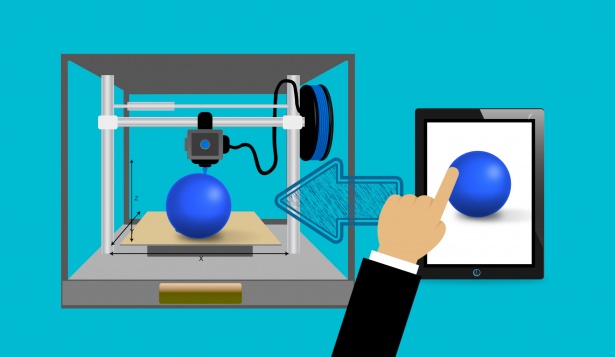
In recent years, digital and 3D printing technologies have increasingly complemented standard printing methods, offering enhanced design flexibility and faster turnarounds. Digital printing allows for on-demand, high-quality prints without the need for traditional plates, reducing waste and cost for small-to-medium batch runs. Meanwhile, 3D printing has revolutionized prototyping and manufacturing in industries such as healthcare, automotive, and packaging by enabling complex geometries and customized products. These advancements demonstrate how printing technology continually adapts to meet evolving market demands and environmental considerations.
Want to know about ‘Technology and How It Will Shape‘? Check out our ‘Tech‘ category.