Last Updated on August 20, 2025 by Rida Hamid
Image from Unsplash
Surgery always carries certain risks, but understanding the specific risks associated with different types of surgeries and individual health factors is crucial. Some surgical procedures inherently have higher complication rates, while certain patients may be more susceptible due to age, existing conditions, or lifestyle. Below, we explore the most common medical reasons that could necessitate replacement surgery, helping you recognize when it might be the right option for your health.
1. You Have Arthritis.
Arthritis is a prevalent chronic condition that significantly affects joint health, leading to pain, stiffness, and reduced mobility. It involves the gradual degeneration of cartilage and bone within the joints, resulting in inflammation and discomfort. When arthritis progresses unchecked, it can cause permanent joint damage and impair daily activities.
Among the many types of arthritis, osteoarthritis is the most common and primarily affects the cartilage that cushions the joints. Symptoms typically begin mildly and worsen over time, limiting joint movement and causing pain during activities.
The focus for treating arthritis is symptom management, including protecting the joints from excessive strain, utilizing medications to reduce inflammation and pain, and engaging in physical therapy to maintain or improve range of motion. However, if conservative treatments fail and pain or functional limitations become severe, consulting a healthcare professional about surgical options such as joint replacement may be necessary.
2. Nonsurgical Treatments Are No Longer Effective.
In some situations, nonsurgical treatments including physical therapy, medications, and lifestyle changes may no longer provide adequate relief. This can occur because:
- Old injuries have fully healed but left structural problems that require surgical correction.
- Infections have spread beyond initial areas, making medical management insufficient to fully resolve the issue.
- Damage to surrounding tissues or organs necessitates surgical intervention to restore proper function.
When these scenarios arise, surgical treatment becomes essential to address the underlying causes and improve patient outcomes.
3. You Have Severe Pain Even When Resting, And You Can’t Sleep.
Persistent, severe pain that occurs even at rest and disrupts sleep is a serious symptom warranting medical evaluation. This type of pain often indicates significant joint damage or inflammation that may not improve with conventional treatments.
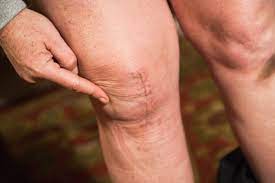
Replacement surgery is frequently recommended in such instances. This procedure involves removing a damaged joint and replacing it with a prosthetic implant designed to restore mobility and reduce pain. Knee replacement surgery, for example, is a common intervention for patients suffering from debilitating joint pain.
4. Your Knee Is Always Swollen.
Continuous swelling and pain in the knee can result from various conditions including injury, arthritis, or even cancer. Persistent swelling suggests ongoing inflammation or fluid buildup that may require surgical evaluation.
In cases where arthritis or injuries cause swelling, knee replacement surgery can relieve symptoms by addressing damaged tissues. Additionally, cancer involving the bones or joints may cause swelling through tumor growth or metastasis, necessitating prompt and comprehensive treatment.
5. Your Knee Has Become Deformed.
Joint deformities, especially in the knee, often develop due to chronic conditions such as arthritis or osteoporosis. These deformities may involve shifts in bone alignment, displacement of the kneecap, or other structural changes that impair joint function and cause pain.
If you notice changes in the shape of your knee or experience instability bone-on-bone during movement, it may indicate advanced joint damage. In such cases, replacement surgery is frequently the most effective solution to restore joint alignment and improve mobility.
Conclusion
There are many reasons why surgery may be necessary, from repairing broken bones to removing tumors or addressing severe joint damage. When nonsurgical treatments are inadequate and symptoms such as pain, swelling, or deformity persist, surgery might be the best option to restore quality of life and function. Always consult with your healthcare provider to discuss your symptoms and determine the most appropriate treatment plan based on your personal health needs.
If you want to learn more about Cat Spraying Indoors, be sure to visit our Daily Bites category for additional resources and expert advice.
In recent years, advances in surgical techniques and prosthetic technology have greatly improved the success rates and recovery times associated with replacement surgeries. Minimally invasive procedures and tailored rehabilitation programs now allow patients to return to daily activities faster and with less post-operative pain. For individuals struggling with chronic joint conditions or injuries, staying informed about these evolving options is key to making the best decisions for long-term health and mobility.