Last Updated on July 20, 2026 by Nasir Hanif
Physical and emotional changes during childbirth significantly affect the vaginal area. Maintaining vaginal health postpartum is essential for overall well-being and helps prevent discomfort, infections, and other complications. Here’s an updated guide on how to protect and care for your vagina after childbirth to support a healthy recovery.
Postpartum Vaginal Changes Explained
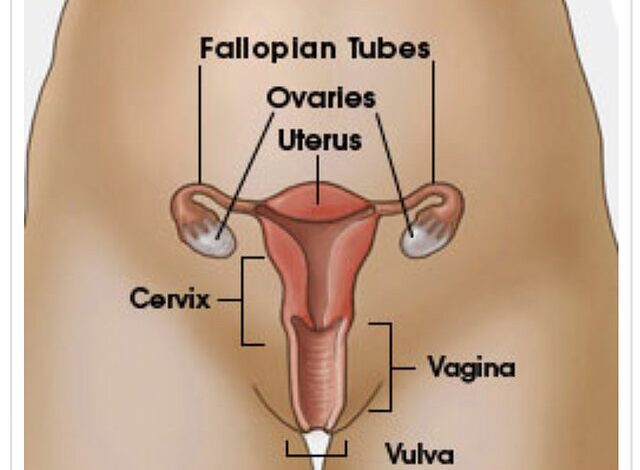
Hormonal fluctuations play a critical role in vaginal health during and after childbirth. Following delivery, estrogen levels drop significantly, often leading to vaginal dryness, sensitivity, and reduced elasticity. The pelvic floor muscles, which support the bladder, uterus, and rectum, can also become weakened or overstretched. These changes may contribute to urinary incontinence, pelvic organ prolapse, and diminished sexual sensation. Understanding these physiological changes can help women take appropriate steps to promote healing and restore vaginal strength postpartum.
Vaginal Health Postpartum Hygiene Tips
To maintain vaginal health after childbirth, avoid using harsh soaps, scented products, or douching, as these can irritate the delicate vaginal area. Instead, cleanse with warm water and mild, unscented soap. Gently pat the area dry with a clean towel to prevent moisture buildup and reduce the risk of infection.
Change postpartum pads frequently and choose breathable cotton underwear to minimize moisture retention. Avoid tight clothing that traps heat and encourages bacterial growth. For personalized postpartum hygiene advice, consult a healthcare specialist who can guide you on best practices tailored to your needs consult a gynecologist.
Pelvic Floor Strengthening – Kegel Exercises
Kegel exercises are highly effective for restoring pelvic floor strength after childbirth. These muscles support vital organs and contribute to bladder control and vaginal tone. To perform Kegels, tighten the muscles you use to stop urination, hold the contraction for five seconds, then relax. Repeat 10 to 15 times per session, three times daily. Consistent practice improves muscle strength and can alleviate urinary incontinence while enhancing vaginal health.
Vaginal Health and Nutrition and Hydration
A nutrient-rich diet supports vaginal healing postpartum. Focus on foods high in vitamins, minerals, and probiotics that promote hormonal balance and reduce dryness. Probiotic-rich options like yogurt and kefir help maintain a healthy vaginal microbiome. Omega-3 fatty acids from fish, seeds, and nuts reduce inflammation, while vitamins E and C contribute to skin and tissue repair. Staying well-hydrated is equally important, as adequate water intake helps maintain vaginal moisture and overall health.
What to Do About Vaginal Dryness and Discomfort
Postpartum vaginal dryness is common due to decreased estrogen levels, causing discomfort during intercourse or daily activities. Alongside water-based lubricants, consider natural moisturizers like coconut oil, which can help soothe and restore moisture. If dryness persists or is accompanied by itching, pain, or unusual symptoms, consult a healthcare professional to rule out infections or other conditions and receive appropriate treatment.
Pelvic Floor and Vaginal Care After Birth
Regular postpartum pelvic floor evaluations are essential to monitor vaginal and pelvic health. Routine pelvic exams can detect issues such as muscle weakening or pelvic organ prolapse early on. If symptoms like pelvic pressure or urinary leakage occur, seek medical advice promptly. Gynecologists may recommend pelvic floor physical therapy to aid recovery and strengthen weakened muscles.
Vaginal Health Exercise and Physical Activity
Engaging in physical activity supports vaginal health and aids in rehabilitation postpartum. Gentle exercises like walking, stretching, and yoga enhance pelvic floor strength and flexibility. Avoid strenuous activities such as heavy lifting or intense cardio until cleared by your healthcare provider to prevent excessive strain. Incorporate Kegel exercises consistently alongside general fitness routines to promote pelvic wellness.
Sexual Health After Your Baby Is Born
Resuming sexual activity postpartum can be sensitive. Physical changes like vaginal dryness, soreness, and reduced sensitivity are common. Open communication with your partner and patience with your body are key during this transition. Use lubricants to alleviate discomfort and progress gradually. If pain or emotional distress persist, seek support from a healthcare professional or counselor to address these concerns effectively.
Mental Health in Vaginal Health
Emotional well-being significantly impacts physical recovery, including vaginal health. Stress, anxiety, and emotional strain can exacerbate symptoms like vaginal dryness and discomfort. Prioritizing self-care, relaxation techniques, and seeking therapy when needed are vital for holistic healing. Surround yourself with supportive individuals and maintain a positive mindset to improve both mental and physical postpartum health. For expert guidance, consulting best gynecologist can offer valuable resources for managing your comprehensive postpartum recovery.
Conclusion
Maintaining vaginal health after childbirth requires consistent care and attention. Key practices include gentle cleansing, pelvic floor strengthening with Kegel exercises, a balanced nutritious diet, and staying hydrated. Listening to your body and seeking help for any ongoing issues is crucial. Remember, postpartum recovery is a gradual process—be patient and compassionate with yourself as you heal. For more detailed support on The Benefits of Practising Ayurveda, please visit our Health Category.
Additional Tips for Postpartum Vaginal Health: Incorporating moisturizing vaginal gels specially designed for postpartum care can help alleviate dryness safely. Regular pelvic floor physical therapy may provide targeted rehabilitation for women experiencing significant muscle weakening or prolapse symptoms. Hydration plays a pivotal role in maintaining elasticity and tissue health, so aim for at least eight glasses of water daily. Also, consider wearing breathable, loose-fitting clothing to reduce irritation and promote airflow. Monitoring any unusual symptoms and maintaining open communication with your healthcare provider ensures timely intervention and a smoother recovery journey.